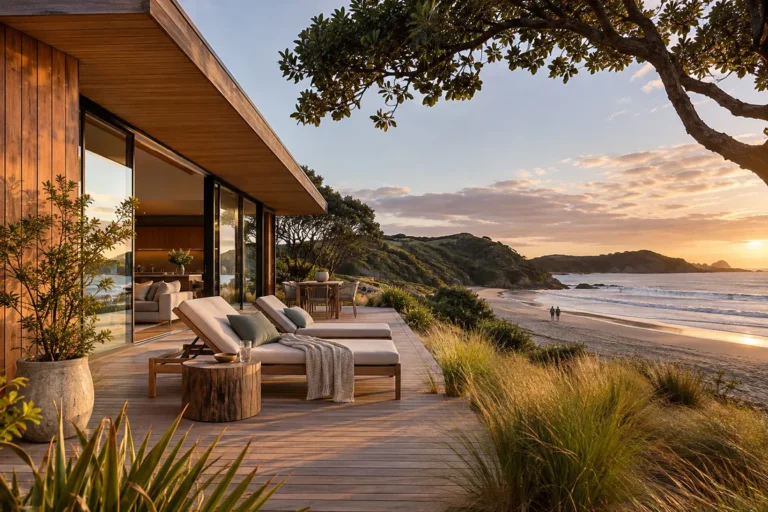
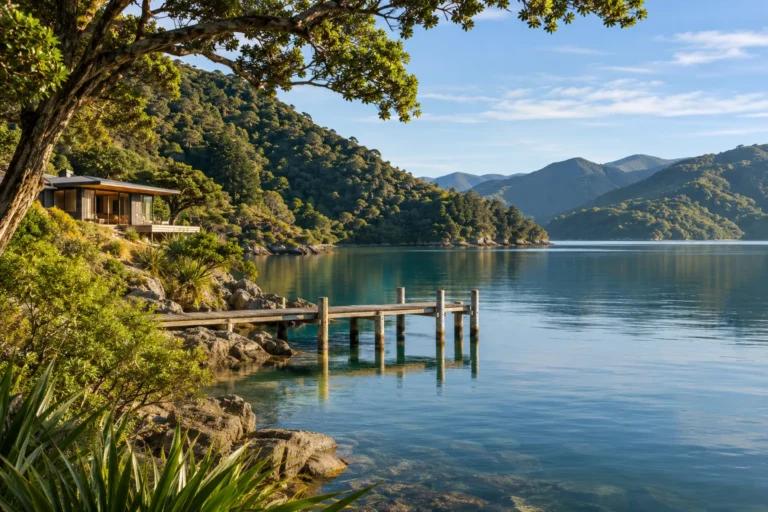
Wairarapa is located in the lower North Island of New Zealand, just to the east of Wellington. The region’s name means glistening waters in Māori. The region’s modern wine history dates from the late 1970s and it boasts some of New Zealand’s most iconic and sought after producers. Beyond the boutique wineries centred on Martinborough, the Wairarapa is best known for its vineyards and wine regions, charming small towns, rich farming landscapes, outdoor adventures, and cultural attractions.
Why go
Wairarapa is a compact yet diverse region, with numerous boutique producers across Martinborough, Masterton, and Gladstone producing wine of exceptional quality. A range of styles and varieties are on offer with standout Pinot Noir, Sauvignon Blanc and Aromatics as well as stylish Chardonnay, Syrah and dessert wines. The region is focused on producing low yield, concentrated, high-quality wines along with a mindset toward sustainability.
Martinborough is the centre of Wairarapa wine tourism, with many cellar doors within walking or cycling distance of the village. Greytown impresses with historic architecture, artisan boutiques and leafy streets—perfect for a day of strolling, shopping and dining. Castlepoint offers spectacular cliff-top views and a picturesque lighthouse walk, while the road to Cape Palliser winds past fishing villages to a seal colony and New Zealand’s southernmost lighthouse.
When to go
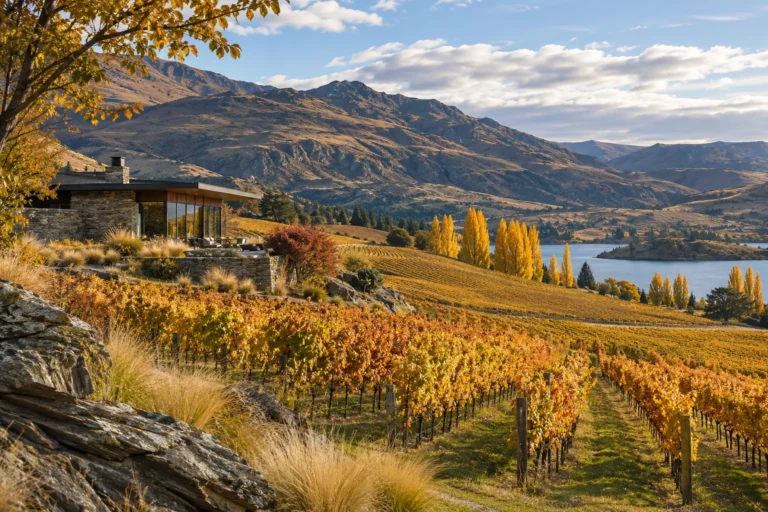
Wairarapa stands out as a year-round destination. Sheltered by the Tararua Range in the west, Wairarapa has a warm, dry climate that’s perfect for wine making. Summer (December – February) is typically settled with an average high of 23 °C and an average low of 11 °C. Autumn transforms the landscape into a tapestry of reds and golds; it’s the best time to meander through the Wairarapa’s vineyards, savouring the region’s renowned pinot noir amidst the fall foliage. Its changing seasons bring different experiences, from sunny vineyard visits, cycling in the summer to colourful autumn landscapes and cosy food and wine experiences in cooler months.
Where to stay
Wairarapa’s luxury accommodation centres on the region around Martinborough and the wine villages of Greytown and Featherston. Visitors will find luxury lodges, country retreats, and villas and holiday homes across the region, many set on working farmland or vineyards. A short, scenic drive from Wellington, the picturesque region offers a range of wine tourism activities, unique accommodation, and superb dining options. Several high-end properties cater to those seeking privacy and personal service, often with on-site dining and curated wine experiences. Spa and wellness venues are available, as are luxury experience providers and private tour operators for wine tastings and regional exploration.
What to do
- Visit cellar doors within walking or cycling distance of Martinborough village
- Ride the Remutaka Cycle Trail, which links Petone to the Wairarapa via a historic railway route through native bush, tunnels and rolling countryside
- Explore the forest, meet native birds, and learn about the connection to the land at Pūkaha National Wildlife Centre at Mount Bruce
- Walk the Castlepoint Lighthouse Walk, a short trail following the cliffs above Castlepoint Scenic Reserve, winding along a wild, rugged coastline
- Climb to the top of Castle Rock, walk to Castlepoint Lighthouse, and watch for New Zealand fur seals and several species of dolphin in the waters off the beach
- Climb the steps to the Cape Palliser lighthouse for panoramic ocean vistas and spot the nearby fur seal colony lounging on rocks
- Visit Stonehenge Aotearoa, a unique structure designed specifically for its location in New Zealand
- Walk through the Wairarapa Moana Wetlands for birdwatching opportunities and peaceful walks through native vegetation
- Visit Aratoi Museum of Art and History in Masterton, which showcases the best art, historical artefacts, and local taonga Māori
Getting there
Wairarapa is just over an hour’s drive or train journey from Wellington on New Zealand’s South East Coast. Wairarapa is located on the North Island, an hour east of New Zealand’s capital, Wellington. State Highway 2 crosses the Rimutaka Pass to access the region. Regular trains from Wellington offer a scenic journey through the ranges and connect to the main towns.